

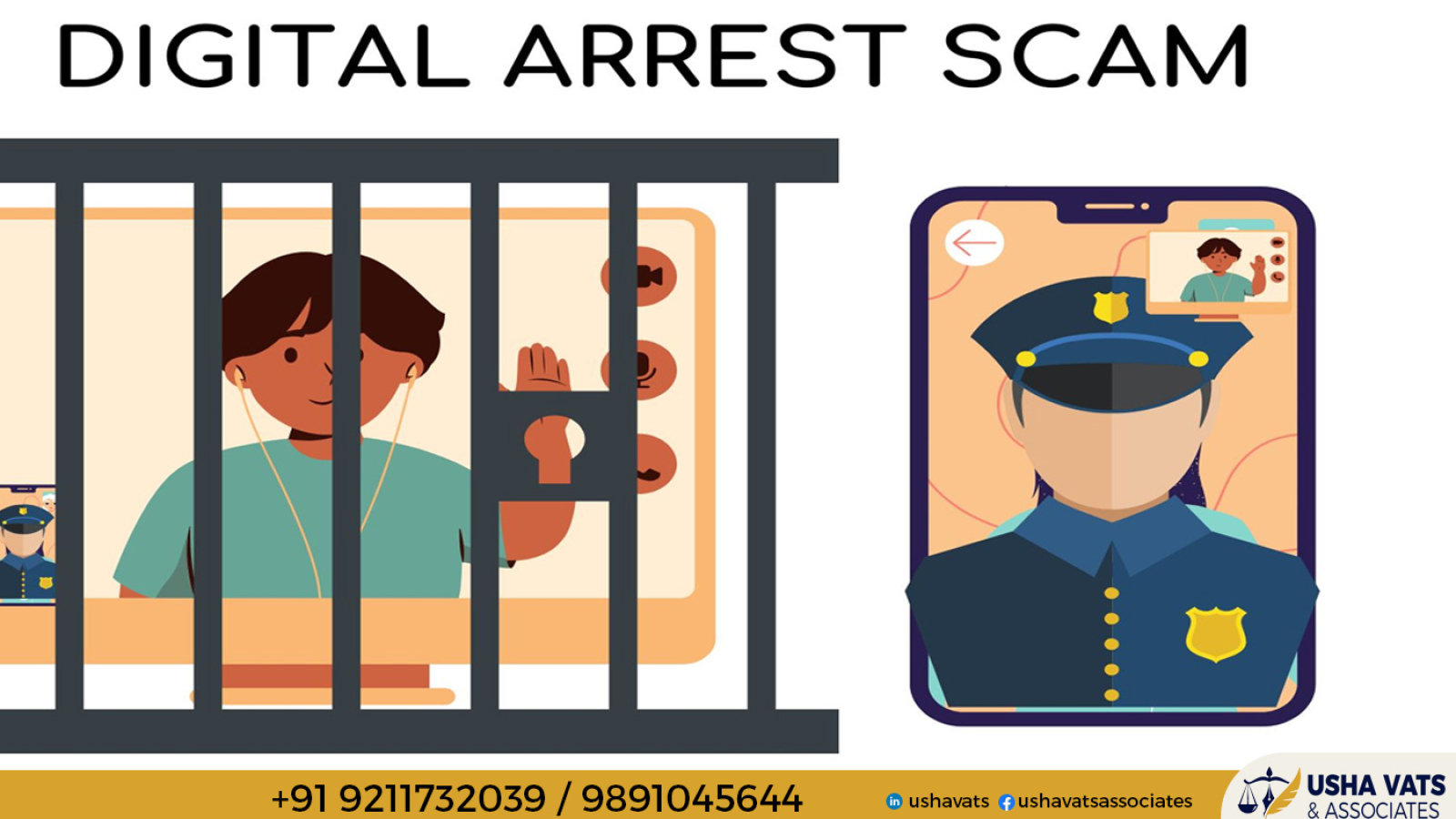
Digital Arrest & Awareness in the IT Act, 2000
What is Digital Arrest?
Digital arrest is not a legally defined term in Indian law but can refer to situations where law enforcement agencies detain or restrict an individual’s access to digital devices, online accounts, or internet services due to suspected cybercrimes. This can include:
- Seizing digital devices like computers and mobile phones.
- Restricting access to online platforms or websites.
- Tracking or surveilling individuals through digital means.
- Detaining individuals based on their online activities.
Awareness of Digital Arrest in the IT Act, 2000
The Information Technology (IT) Act, 2000, along with the Indian Penal Code (IPC), governs cybercrimes in India. Here are key sections related to digital arrests:
- Section 66 – Covers computer-related offenses like hacking, identity theft, and data theft.
- Section 66A (Struck down by Supreme Court in 2015) – Previously criminalized sending offensive messages online but was misused for digital arrests.
- Section 66C & 66D – Punishes identity theft and cheating by impersonation using digital resources.
- Section 67 – Deals with publishing obscene or sexually explicit content online.
- Section 69 – Allows government agencies to monitor, intercept, or decrypt digital information in the interest of national security.
- Section 79 – Deals with the liability of intermediaries (social media platforms, ISPs) regarding content posted on their platforms.
Legal Protection Against Wrongful Digital Arrest
- Right to Privacy (Article 21 of the Constitution) protects individuals from unlawful digital surveillance.
- Judicial Orders Required – Law enforcement generally needs a warrant to seize digital devices unless national security is at risk.
- Landmark Cases like Shreya Singhal v. Union of India (2015) struck down Section 66A, preventing misuse of digital arrests.
- or Any Type Of Consultation Or Suggestion Call Us On +91 9211732039 / +91 9891045644. This Suggestion is Absolutely Free.
For Educational & Legal Awareness
Website: www.ushavatsassociates.in

Add a Comment