

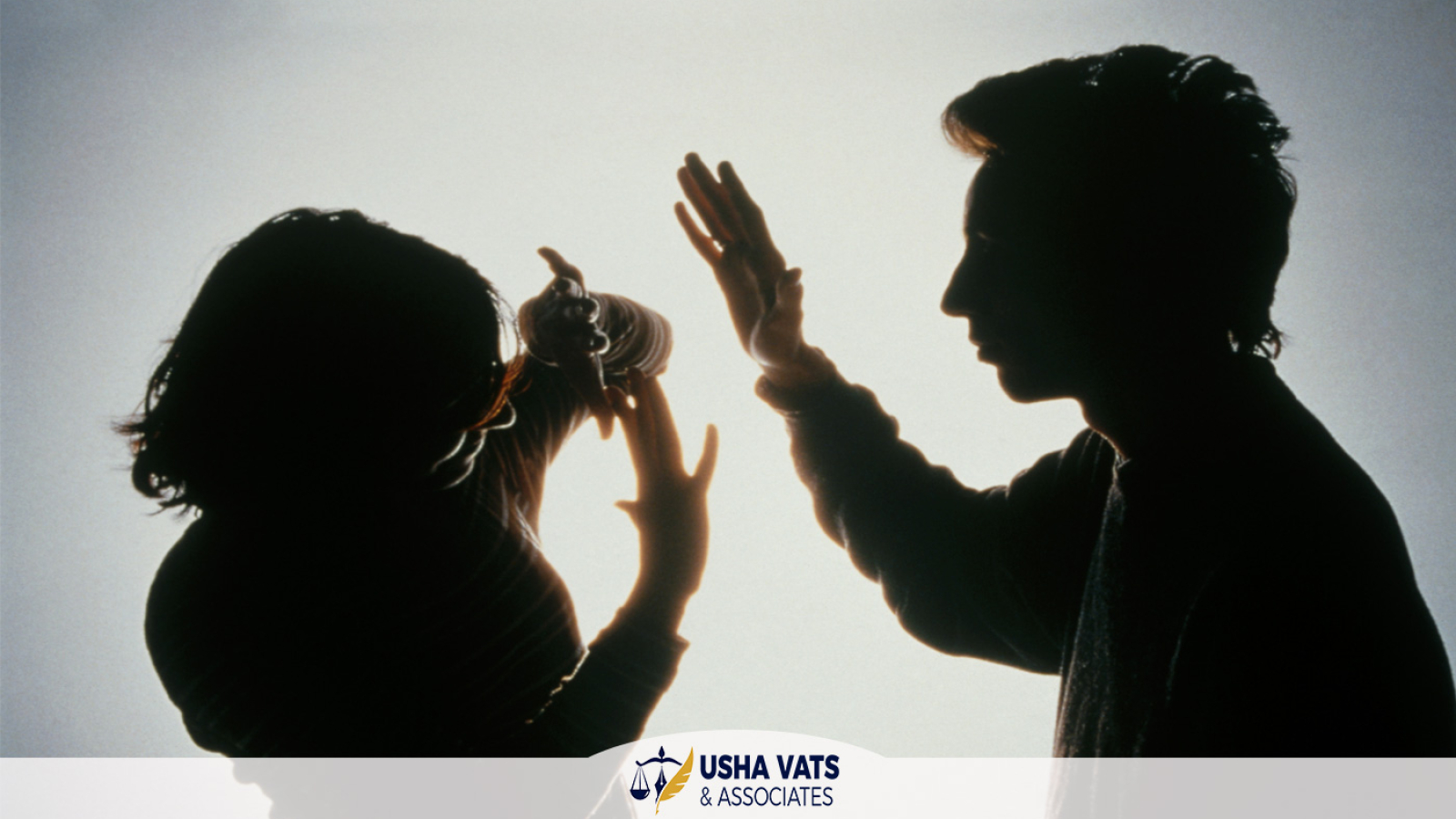
Seeking relief against domestic violence involves a combination of legal, social, and personal steps. Here’s a general guide to help individuals navigate this process:
1. Immediate Safety:
- Reach out for help: Contact emergency services (e.g., 911 in the US) if you are in immediate danger.
- Find a safe place: Leave the abusive environment if possible and go to a trusted friend, family member, or a shelter.
- Hotlines and support services: Call a domestic violence hotline in your country. Many are available 24/7 and provide confidential assistance. For example:
- In the U.S.: National Domestic Violence Hotline: 1-800-799-SAFE (7233) or text “START” to 88788.
- In India: 181 Women Helpline or call the police at 100.
- Use local resources for support in your region.
2. Legal Protections:
- File a police report: Report the abuse to law enforcement. This can help document incidents and initiate legal action.
- Seek a protection order:
- Apply for a restraining order, protection order, or injunction from the court to prevent the abuser from contacting or coming near you.
- This order may include provisions for temporary custody of children, financial support, and residency.
- Consult a lawyer: Seek legal advice to understand your rights and the legal processes specific to your jurisdiction.
3. Medical and Psychological Support:
- Medical treatment: Seek medical attention for any injuries, and ask the medical professional to document them as evidence.
- Counseling services: Connect with a counselor or therapist trained in dealing with domestic abuse. Emotional and psychological support is crucial for healing.
- Support groups: Join local or online support groups for survivors of domestic violence.
4. Documentation and Evidence:
- Keep records: Document instances of abuse, including dates, times, and descriptions of incidents. Save any threatening messages, emails, or voicemails.
- Witnesses: If possible, identify witnesses who can testify about the abuse.
5. Shelter and Financial Independence:
- Access shelters: Many organizations provide temporary shelter and basic needs for survivors.
- Financial resources: Explore options for financial support, including government aid, social services, or community programs.
6. Build a Support Network:
- Inform trusted individuals: Let close friends or family know about your situation.
- Work with advocacy groups: Domestic violence advocacy organizations can provide guidance and assist in navigating the legal and social services systems.
7. Education and Awareness:
- Learn about your rights under domestic violence laws in your country.
- Educate yourself about resources available to survivors, such as helplines, legal aid, and housing support.
Specific Relief Measures in Some Jurisdictions:
India:
- Under the Protection of Women from Domestic Violence Act, 2005, a victim can file a complaint with the police or approach a Protection Officer, Magistrate, or NGO.
- Relief includes protection orders, residence rights, custody orders, monetary relief, and compensation.
United States:
- Survivors can seek protective orders and benefit from the Violence Against Women Act (VAWA), which provides resources and legal aid.
United Kingdom:
- Under the Domestic Abuse Act 2021, individuals can access Domestic Violence Protection Notices (DVPN) and Orders (DVPO), as well as support services.
For Any Type Of Consultation Or Suggestion Call Us On +91 9211732039 / +91 9891045644. This Suggestion is Absolutely free.
For Educational & Legal Awareness
Website: www.ushavatsassociates.in

Add a Comment